Best Parrot for First-Time Owners: Top 2026 Picks
Updated October 30, 2026
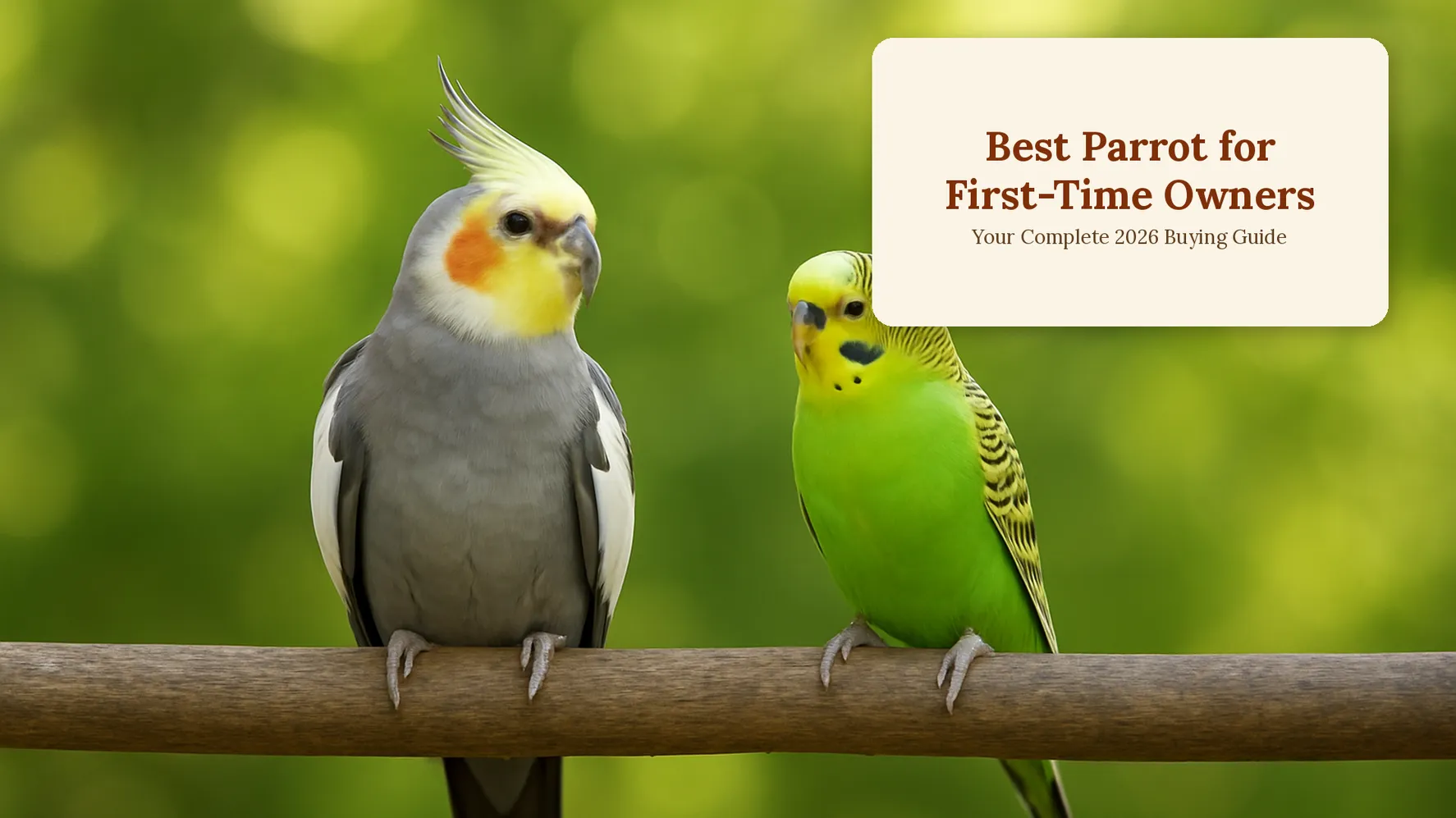
Choosing the best parrot for first-time owners is the single decision that determines whether your first few years with a pet bird feel joyful or overwhelming. Every parrot species has its own noise level, lifespan, and personality, and getting that match wrong is the top reason new owners end up rehoming a bird within the first year.
Table of Contents
This guide walks through exactly what to weigh before you buy, then compares the five species we most often recommend to first-time bird owners here at Morphnests. We ship hand-raised, DNA-tested babies nationwide via Delta Cargo, so the same advice applies whether you’re shopping locally in Southern California or bringing home your first bird from across the country.
If you already know you want a quick, ranked shortlist, check out our top 5 beginner parrots list. This guide goes a layer deeper: it’s built for anyone who wants to understand why a species is beginner-friendly before committing to 10, 20, or even 80 years of care.
What Makes the Best Parrot for First-Time Owners?
Not every small or inexpensive bird is actually easy to live with, and not every “beginner” label is earned. When we evaluate the best parrot for first-time owners, we weigh five factors: noise level, physical size and cage footprint, lifespan commitment, trainability and bite risk, and ongoing cost. A bird that scores well on most of these will fit into an apartment, a family home, or a first-time owner’s schedule without constant friction.
-
Noise level: Can the bird’s vocalizations be tolerated by neighbors in an apartment or condo?
-
Size and cage needs: Does it need a small travel-friendly cage or a walk-in aviary?
-
Lifespan: Is this a 10-year commitment or a 50+ year one?
-
Trainability and temperament: How forgiving is the species of a new owner’s learning curve?
-
Cost: What’s the real upfront and monthly cost of food, toys, and vet care?
Top Factors to Consider Before You Buy Your First Parrot
Before you fall in love with a photo online, walk through this checklist. It’s the same set of questions our team asks every new buyer during a consultation call.
-
How much noise can your living situation realistically tolerate, daily, for years?
-
Do you have time for at least 1-2 hours of out-of-cage interaction every day?
-
Are you prepared for a bird that may outlive a dog or cat, and in some species, outlive you?
-
Is your budget ready for an annual avian vet exam, not just the bird’s purchase price?
-
Do you have a second person at home who can care for the bird if you travel?
-
Are you buying a DNA-tested, hand-raised bird from a reputable breeder rather than an unweaned impulse purchase?
If you answered yes to most of these, you’re ready to pick a species. The best parrot for first-time owners is almost always one of the five below.
Best Parrot for First-Time Owners: 2026 Comparison Table
| Species | Noise Level | Lifespan | Talking Ability | Typical Price |
|---|---|---|---|---|
| Budgerigar (Budgie) | Low | 5-10 years | Good, clear but quiet | $50-$150 |
| Cockatiel | Low-Moderate | 15-25 years | Whistles more than words | $150-$300 |
| Green-Cheek Conure | Moderate | 20-30 years | Limited | $300-$500 |
| Peach-Faced Lovebird | Moderate | 10-15 years | Very limited | $150-$250 |
| Quaker Parrot | Moderate-High | 20-30 years | Excellent | $300-$600 |
Species Breakdown: Which Beginner Parrot Fits Your Life?
Budgerigar (Budgie): The quietest and least expensive option on this list, and genuinely one of the best parrots for first-time owners with limited space or a noise-sensitive household. Budgies are social, curious, and can learn an impressive vocabulary for such a small bird. According to the Wikipedia entry on budgerigars, they are native to the Australian outback and are one of the most popular pet birds in the world.
Cockatiel: A step up in size and personality without a step up in noise. Cockatiels whistle more than they talk, bond closely with one or two people, and tolerate a beginner’s learning curve better than almost any other parrot species.
Green-Cheek Conure: Compact, playful, and full of personality, green-cheeks are a favorite first “real” parrot for owners ready for a bit more noise and interaction in exchange for a bigger personality.
Peach-Faced Lovebird: Small but feisty, lovebirds do best with an owner who understands their strong-willed nature. They’re a good match for someone who wants a compact bird with striking color. See our guide to lovebird colors and mutations if you’re comparing varieties.
Quaker Parrot: The best talker on this list by a wide margin, and a genuinely affectionate companion bird. Quakers need a more experienced or committed first-time owner because of their higher noise ceiling and stronger personality — read our full Quaker parrot guide before choosing one.
How to Choose a Reputable Breeder for Your First Parrot
The single biggest factor in whether your first parrot thrives isn’t the species — it’s where the bird comes from. A reputable breeder DNA-tests every bird for accurate sexing, hand-feeds chicks on a consistent weaning schedule, and can answer detailed questions about the parents’ health history.
Avoid buying from a source that can’t tell you the bird’s hatch date, weaning status, or DNA sex. An unweaned or poorly socialized baby is far more likely to develop behavioral problems, which is one of the most preventable mistakes a first-time owner can make. Ask to see the breeder’s facility, references, or recent customer reviews before you commit.
At Morphnests, every bird we sell is hand-raised, DNA-tested, and fully weaned before it ships, which is exactly the standard a first-time owner should expect from any breeder, not just us.
Common Mistakes First-Time Parrot Owners Make
-
Choosing a species based on looks alone, without checking its real noise level and lifespan
-
Buying an unweaned baby from an unverified source instead of a DNA-tested, hand-raised bird from a reputable breeder
-
Underestimating the daily time commitment a parrot needs to stay social and well-behaved
-
Skipping an avian-experienced vet and an initial wellness exam in the first week home
-
Buying a cage that’s too small, which is one of the most common causes of feather-destructive behavior
-
Expecting an immediate bond, instead of letting a nervous new bird settle in on its own timeline
Budgeting for Your First Parrot: Upfront and Ongoing Costs
The purchase price of the bird is only the starting point. A realistic first-year budget for most beginner-friendly species includes a cage ($80-$300 depending on size), toys and perches ($50-$100), a vet exam and initial bloodwork ($75-$200), and monthly food costs ($15-$40). Building this into your plan before you buy is one of the clearest signs you’re ready to care for the best parrot for first-time owners you can responsibly afford.
Bonding With Your New Parrot: The First 30 Days
Even the best parrot for first-time owners needs patience during the settling-in period. For the first few days, keep the environment calm, let the bird observe you from its cage, and avoid forcing physical contact. Speak softly near the cage several times a day so the bird learns to associate your voice with safety.
By the end of the first week, most hand-raised babies will begin stepping onto a finger for a treat. By 30 days, a well-matched first-time owner and a properly socialized bird should have a consistent daily routine of out-of-cage time, training, and play. Consistency matters more than intensity — a bird that gets 20 calm, predictable minutes a day bonds faster than one that gets an unpredictable hour.
Frequently Asked Questions
What is the single best parrot for first-time owners? For most new owners, the budgerigar or cockatiel is the best parrot for first-time owners because of their low noise level, manageable size, and forgiving temperament. The right choice still depends on your living situation and how much time you can give the bird daily.
What is the easiest parrot to care for? Budgies and cockatiels are generally considered the easiest parrots to care for, requiring smaller cages, simpler diets, and less intensive daily enrichment than larger species like macaws or Amazons.
Are parrots good pets for beginners in apartments? Yes, as long as you choose a quieter species. Budgies and cockatiels are usually apartment-friendly, while conures and Quaker parrots can be too loud for shared walls.
How long do beginner parrots live? Lifespans vary widely by species, from 5-10 years for a budgie to 20-30 years for a Quaker parrot or green-cheek conure. Always choose a species whose lifespan matches your long-term plans.
Should a first-time owner buy a baby or an older bird? A hand-raised, DNA-tested baby from a reputable breeder is usually the best choice for a first-time owner, since it allows the bird to bond with you from an early age and gives you a clear health history from day one.
Can two first-time-owner-friendly parrots live together? Some species, like budgies and lovebirds, can cohabitate successfully, but pairing two birds too early can slow bonding with their human owner. Most breeders recommend a new owner start with a single bird first.
Do first-time owners need an avian vet right away? Yes. Schedule a wellness exam with an avian-experienced vet in the first week, even if the bird seems healthy. It establishes a baseline and catches issues early, before they become costly or serious.
Ready to bring home your first bird? Browse our current hand-raised, DNA-tested babies and talk to our team about which species fits your home best.