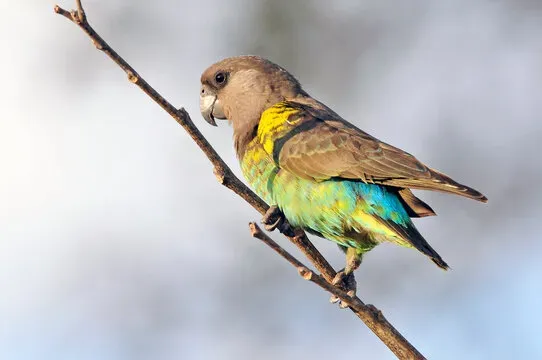
Representative photos. Current photos and video of the available bird are sent when you contact us.
Species facts
- Adult length
- 8-9 in
- Lifespan
- 25-30 years
- Noise level
- Talking
- moderate
- Size class
- small
- Adult weight
- 100-135 g
If you’ve been searching for a meyers parrot for sale from a trusted breeder, Morphnests offers hand-raised, healthy Meyers Parrots ready to become your next feathered companion. Native to sub-Saharan Africa, the Meyers Parrot (Poicephalus meyeri) is one of the most underrated gems in the parrot world — calm, adaptable, and genuinely affectionate without the ear-splitting volume of larger species.
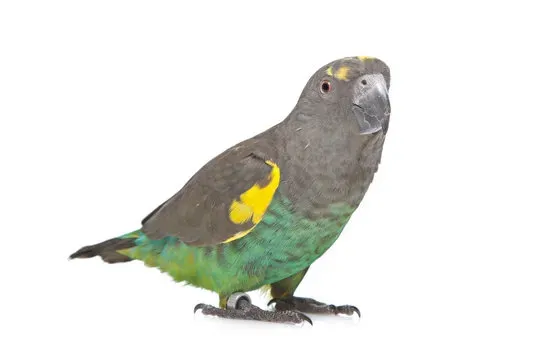
Meyers Parrot Personality & Temperament
A meyers parrot for sale is often described as the “perfect apartment parrot,” and for good reason. They tend to be even-keeled, curious, and deeply bonded to their families without becoming obsessively one-person birds. Unlike some parrots that melt down the moment your routine changes, Meyers Parrots adjust well to new environments, visitors, and schedules.
They enjoy hands-on interaction but are also content to entertain themselves with foraging toys when you’re busy. If you want a bird that’s playful and affectionate without being demanding or high-strung, this parrot hits that sweet spot beautifully.
Meyers Parrot Talking & Intelligence
Meyers Parrots are smart birds with a moderate talking ability. Most will pick up a handful of words and phrases, and some individuals become surprisingly chatty, though they’ll never rival an African Grey or Amazon for vocabulary size.
What they lack in words they more than make up for in personality — they’re expressive, quick to learn tricks, and responsive to training. Puzzle toys and foraging challenges keep their minds sharp and prevent boredom-related behaviors. Consistent, positive reinforcement training from an early age builds a confident, well-socialized bird.
Meyers Parrot Care at a Glance
A meyers parrot for sale is a manageable size for most households, but still needs proper space, nutrition, and daily enrichment to thrive. Here’s a quick overview of what to expect:
-
Lifespan: 25–35 years with proper care
-
Size: Approximately 8–9 inches, 100–135 grams
-
Noise Level: Low to moderate — occasional contact calls, rarely screams
-
Diet: High-quality pellet base (60–70%), fresh vegetables, fruits, and limited seeds
-
Cage Size Minimum: 24″ W x 24″ D x 30″ H with bar spacing no wider than ¾ inch
A meyers parrot for sale makes a wonderful companion bird. Have more questions about daily care or setup? Visit our parrot FAQ for detailed guidance on diet, housing, and socialization.
Why Buy a Meyers Parrot From Morphnests
When you choose a meyers parrot for sale from Morphnests, you get a Southern California parrot breeder with one straightforward commitment: healthy, well-socialized birds and honest support for every customer. Every meyers parrot for sale in our nursery is hand-raised from birth, meaning your bird arrives already comfortable with human contact. Before leaving our care, each bird is DNA-sexed so you know exactly what you’re getting, and disease-tested for your peace of mind.
We offer nationwide parrot shipping to all 50 US states, so distance is never a barrier to finding the right bird. Every purchase comes with a 3-day health guarantee and lifetime breeder support — because our relationship with you doesn’t end at the sale. When you’re ready to find a meyers parrot for sale from a breeder who stands behind every bird, Morphnests is the place to start.
Meyers Parrot FAQ
Is a meyers parrot for sale good for beginners? Yes — its calm, quiet nature makes it one of the most beginner-friendly Poicephalus parrots available, especially for apartment living.
How big does a meyers parrot get? Adults reach about 8–9 inches long and weigh between 100 and 135 grams, a manageable size for most households.
Are meyers parrots loud? They’re one of the quieter mid-sized parrots, with occasional contact calls but rarely the screaming common in larger species.
What should I feed a meyers parrot for sale? A high-quality pelleted diet should make up 60–70% of daily intake, rounded out with fresh vegetables, fruits, and a limited amount of seed.